Expert Tips to Prevent Mold in Storage Areas for Rehoboth Homeowners
Storage areas in Rehoboth homes—whether basements, attics, or crawl spaces—are prime targets for mold growth due to poor airflow and seasonal humidity swings. We’ve seen firsthand how small oversights can lead to costly remediation, so we’re sharing proven strategies to keep these spaces dry and mold-free year-round.
Why Storage Areas Are High-Risk for Mold Growth
Mold thrives in dark, damp, and poorly ventilated spaces—exactly the conditions found in many basements, attics, and crawl spaces in our region. High humidity from Rehoboth’s coastal climate, combined with organic materials like cardboard or wood, creates an ideal breeding ground.
Even minor water intrusion from leaks, condensation, or poor drainage can elevate moisture levels. Without proactive control, spores colonize quickly, often hidden behind stored items until the problem becomes severe.
Mold can grow undetected behind boxes or under insulation. Regular inspections are critical, especially after heavy rain or seasonal shifts.
Signs Your Storage Area May Have a Mold Problem
Musty odors are the most common red flag. If your basement or attic smells earthy or damp, mold may already be present, even if it’s not visible.
Visible signs include discolored patches (black, green, white, or gray) on walls, ceilings, or stored items. Warped wood, peeling paint, or rust on metal surfaces also indicate excess moisture.
Allergic reactions—sneezing, itchy eyes, or respiratory issues—when entering the space can signal airborne spores. Don’t ignore these symptoms; they often worsen over time.
Humidity Control: The First Line of Defense
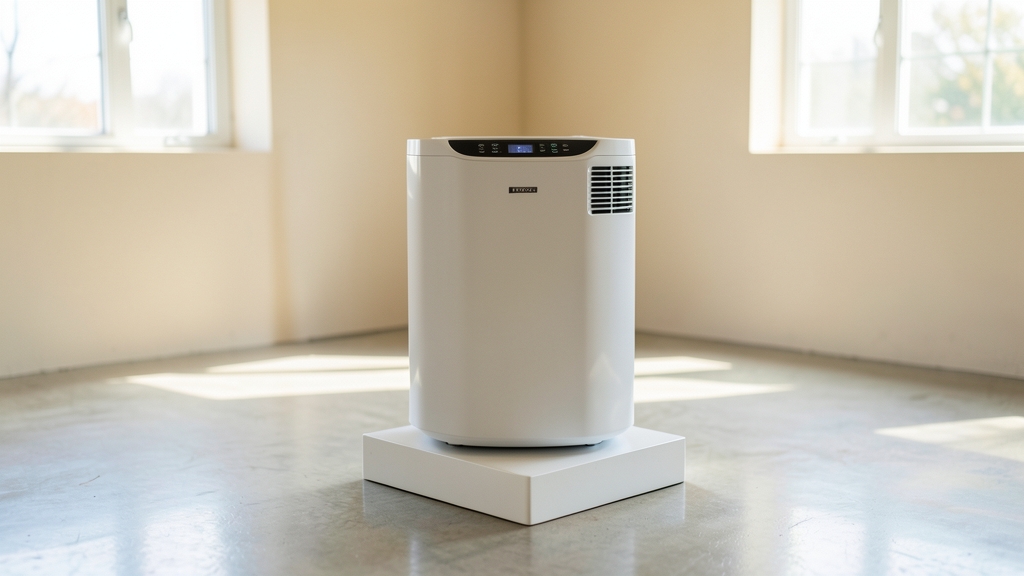
Mold requires moisture to grow, so maintaining humidity below 50% is non-negotiable. In Rehoboth’s humid summers, a high-capacity dehumidifier is essential for basements and crawl spaces.
Use a hygrometer to monitor levels consistently. Portable units work for smaller areas, while whole-house systems may be needed for larger or chronically damp spaces like those in Seekonk or Taunton.
Empty and clean dehumidifier tanks regularly to prevent bacterial growth. For severe cases, consider a permanent drain line to avoid overflow risks.
Ventilation Strategies to Reduce Moisture
Improving airflow disrupts the stagnant conditions mold loves. Install exhaust fans in attics or basements, and ensure they vent outside—not into other parts of the home.
For crawl spaces, a vapor barrier on the ground, paired with vents or a small fan, can significantly reduce moisture. In older homes common in Dighton or Swansea, adding soffit vents helps circulate air through attics.
Avoid blocking vents with stored items. Even a small obstruction can trap moisture and create hotspots for mold.
Storage Best Practices to Minimize Mold Risk
Never store items directly on concrete floors—use pallets or shelving to allow airflow underneath. Cardboard absorbs moisture; opt for plastic bins with tight-sealing lids instead.
Include moisture absorbers like silica gel packs or charcoal briquettes in containers. For long-term storage, vacuum-seal fabrics or papers to protect them from humidity.
Label and rotate stored items regularly. This habit not only helps you stay organized but also allows you to inspect for early signs of mold or pests.
| Material | Moisture Resistance | Mold Risk | Best For |
|---|---|---|---|
| Plastic bins with lids | High | Low | Long-term storage, fabrics, documents |
| Cardboard boxes | Low | High | Short-term, dry items only |
| Wooden crates | Moderate | Moderate | Sturdy items, elevated off floor |
| Metal shelves | High | Low | Heavy items, tools, non-porous goods |
| Vacuum-sealed bags | Very High | Very Low | Clothing, linens, paper goods |
Addressing Water Intrusion and Leaks
Even small leaks can lead to big mold problems. Inspect pipes, roofs, and foundations for cracks or gaps, especially after winter thaws or heavy storms common in East Providence and surrounding areas.
Ensure gutters and downspouts direct water at least 5–10 feet away from your home’s foundation. Poor drainage is a leading cause of basement moisture issues we remediate.
If you find water damage, act fast. Dry the area within 24–48 hours to prevent mold from taking hold. For larger issues, our team can help with water damage restoration before mold sets in.
The faster you address water intrusion, the lower the risk of mold—and the less extensive (and expensive) remediation becomes.
When to Call in the Professionals
If you suspect mold but can’t locate the source, or if the affected area exceeds 10 square feet, it’s time for a professional mold inspection. We use advanced tools like thermal imaging and air quality testing to uncover hidden problems.
For crawl space or attic mold remediation, DIY fixes often fall short. These areas require specialized equipment and containment protocols to prevent cross-contamination.
Commercial properties or rental units in Rehoboth and nearby towns also benefit from professional assessments, as mold can spread quickly in shared HVAC systems or poorly maintained structures.
How to Conduct a DIY Mold Inspection in Your Storage Area
A thorough inspection can help you catch mold early before it becomes a major issue.
- 1Gather Supplies
Use a flashlight, moisture meter (or hygrometer), and protective gear like gloves and a mask. A camera can help document findings.
- 2Check for Visible Signs
Look for discoloration, staining, or fuzzy growth on walls, ceilings, and stored items. Pay special attention to corners and behind furniture.
- 3Test for Hidden Moisture
Use a moisture meter to check walls, floors, and subflooring. Readings above 15-20% indicate excess moisture.
- 4Sniff for Odors
Musty smells are a strong indicator of mold, even if it’s not visible. Follow the odor to its source.
- 5Inspect Ventilation and Drainage
Ensure vents are unblocked and that water isn’t pooling near foundations or in crawl spaces. Poor airflow is a common culprit.
- 6Document and Plan
Note all findings and prioritize fixes. For large or persistent issues, request a quote from a local remediation expert.
Frequently Asked Questions
How often should I check my storage areas for mold in Rehoboth’s climate?
Inspect storage areas at least twice a year—once in spring after the thaw and again in fall before the heating season begins. After heavy rain or flooding, check immediately. High humidity in summer also warrants extra vigilance.
Can I use bleach to clean mold in my basement?
Bleach is ineffective for porous materials like wood or drywall, as it only removes surface mold without addressing roots. For non-porous surfaces, a vinegar or hydrogen peroxide solution is safer and more effective. For large or deep infestations, professional remediation is recommended.
What’s the difference between mold testing and mold inspection?
A mold inspection is a visual and physical assessment of your property for signs of mold and moisture issues. Mold testing involves collecting air or surface samples to identify specific types and spore counts. Both are valuable, but testing provides lab-backed data for confirmation.
Are dehumidifiers enough to prevent mold in crawl spaces?
Dehumidifiers help, but they’re not a standalone solution. Crawl spaces often need a combination of vapor barriers, proper ventilation, and sometimes insulation upgrades. In severe cases, like those we see in older homes in Taunton, a professional assessment ensures all factors are addressed.
Does homeowners insurance cover mold remediation?
Coverage varies by policy and cause. Most standard policies exclude mold unless it’s a direct result of a covered peril, like a burst pipe. Review your policy and document any water damage promptly. For peace of mind, request a quote from a local remediation team to understand potential costs.
Can mold in my attic affect my indoor air quality?
Absolutely. Mold spores can travel through HVAC systems or gaps in insulation, contaminating the air throughout your home. This is especially concerning in tightly sealed modern homes. Attic mold remediation often requires containment and air scrubbing to prevent spores from spreading.