Natural Mold Prevention Solutions That Work for Rehoboth Homes
Rehoboth’s damp springs and humid summers create the perfect breeding ground for mold. We’ve spent years refining natural, non-toxic strategies to keep homes in our area mold-free—without relying on harsh chemicals that can linger in your air.
Why Natural Mold Prevention Matters in Humid Climates
Mold thrives in environments with humidity above 60%. Rehoboth’s coastal influence and seasonal rainfall push moisture levels higher than in drier inland areas like Taunton or Seekonk.
Chemical treatments can kill existing mold, but they don’t address the root cause: excess moisture. Natural solutions focus on prevention by disrupting the conditions mold needs to grow.
Top Natural Mold Inhibitors for Your Home
White vinegar is a powerhouse—its acetic acid kills about 82% of mold species on non-porous surfaces. Spray undiluted, let sit for an hour, then wipe clean.
Hydrogen peroxide (3%) is another safe option. It bubbles away mold on tiles, glass, and even some fabrics. Always spot-test first to avoid discoloration.
Baking soda doesn’t just clean; it deodorizes. Mix 1 teaspoon with 2 cups of water in a spray bottle for a gentle, effective solution for walls and ceilings.
| Solution | Effectiveness Against Mold | Best For |
|---|---|---|
| White Vinegar | High (82% of species) | Non-porous surfaces, bathrooms, kitchens |
| Hydrogen Peroxide (3%) | High (kills spores & roots) | Tiles, glass, fabrics |
| Baking Soda | Moderate (prevents regrowth) | Walls, ceilings, deodorizing |
| Tea Tree Oil | High (fungicidal) | Small areas, musty odors |
| Grapefruit Seed Extract | Moderate-High | Preventative sprays, damp areas |
Moisture Control: The Foundation of Mold Prevention
No natural solution works if moisture persists. In Rehoboth, basements and crawl spaces are hotspots—especially after heavy rains or snowmelt.
Dehumidifiers are your first line of defense. Aim for 30-50% humidity indoors. Empty the tank daily or opt for a model with a drain hose.
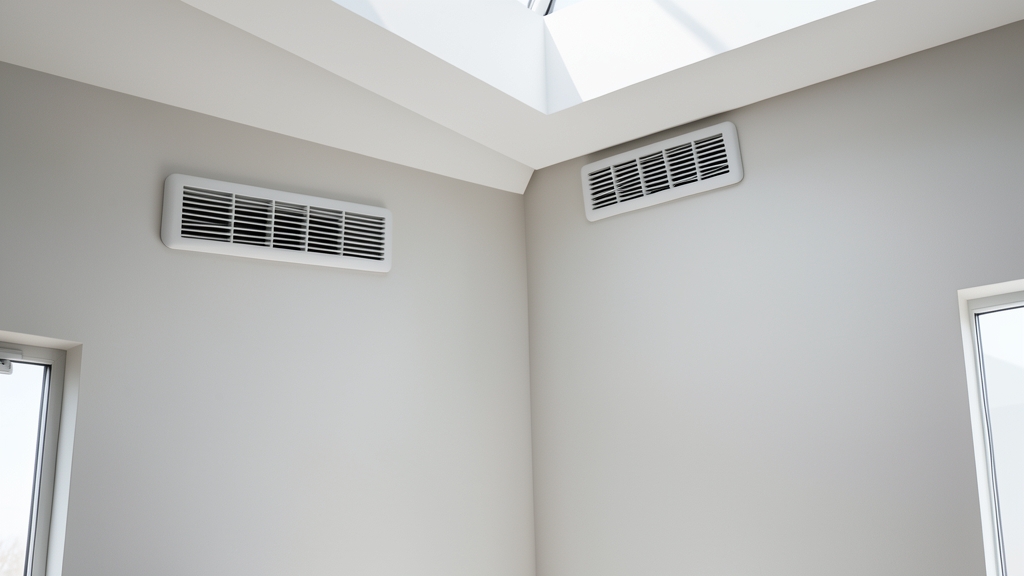
Ventilation matters just as much. Exhaust fans in bathrooms and kitchens should run for at least 20 minutes after use. Open windows when outdoor humidity is low.
Never paint over mold. It will grow back, and the paint can trap moisture, worsening the problem. Always address the source first.
Targeted Strategies for Problem Areas
Basements and crawl spaces need a multi-pronged approach. Start with a vapor barrier on dirt floors, then add a dehumidifier. In severe cases, encapsulation may be necessary.
Attics often suffer from condensation due to poor insulation or ventilation. Ensure soffit vents are clear and consider a ridge vent for better airflow.
Bathrooms benefit from daily wiping of shower walls and a squeegee for glass doors. A small fan can help circulate air if your exhaust system is weak.
Air Purification and Circulation
HEPA air purifiers capture mold spores floating in the air, reducing the chance they’ll settle and grow. Place them in high-risk areas like basements or near water damage.
Ceiling fans and portable fans improve circulation, but avoid pointing them directly at damp areas—this can spread spores. Instead, aim for general airflow.
Houseplants like peace lilies and snake plants can help absorb moisture, but they’re not a substitute for dehumidifiers in humid climates.
Run your air purifier during and after rainstorms. Spores are most active when outdoor humidity spikes, and this helps keep indoor air clean.
When to Call in the Pros
Natural solutions work for prevention and small, surface-level mold. But if you see extensive growth (10+ square feet), or mold in your HVAC system, it’s time for professional remediation.
Hidden mold—behind drywall, under flooring, or in ductwork—requires specialized equipment like thermal imaging cameras and moisture meters to detect and remove safely.
We also recommend professional air quality testing if you suspect mold but can’t locate it. This is common in older homes in nearby areas like Seekonk or East Providence.
Signs You Need Professional Help
- Mold covers more than 10 square feet
- You smell a musty odor but can’t find the source
- Mold returns after repeated cleaning
- You or your family experience unexplained allergies or respiratory issues
- Mold is in your HVAC system or ductwork
Long-Term Prevention: Habits That Keep Mold Away
Inspect your home seasonally. Check for leaks around windows, roofs, and pipes—especially after winter thaws or heavy summer storms common in Rehoboth.
Clean gutters and downspouts regularly. Clogged gutters can cause water to pool near your foundation, leading to basement or crawl space mold.
Use moisture-resistant materials in high-risk areas. For example, opt for paperless drywall in basements and moisture-resistant paint in bathrooms.
How to Create a DIY Natural Mold Prevention Spray
This simple spray combines natural ingredients to prevent mold growth on surfaces.
- 1Gather Ingredients
You’ll need 1 cup of distilled water, 1 cup of white vinegar, and 10 drops of tea tree oil (optional for added antifungal power).
- 2Mix the Solution
Combine all ingredients in a spray bottle. Shake well to ensure the tea tree oil is evenly distributed.
- 3Test the Surface
Spray a small, hidden area first to check for discoloration or damage, especially on porous surfaces.
- 4Apply to Problem Areas
Lightly mist surfaces prone to mold, such as shower walls, window sills, or basement corners. Do not rinse.
- 5Reapply Regularly
Use the spray weekly in high-moisture areas or after cleaning to maintain protection.
Frequently Asked Questions
Can natural solutions remove black mold in Rehoboth homes?
Natural solutions like vinegar or hydrogen peroxide can kill surface black mold, but they may not penetrate porous materials like drywall. For toxic black mold (Stachybotrys), professional remediation is often necessary to ensure complete removal and safety.
How often should I run a dehumidifier in Rehoboth’s climate?
During humid months (spring through early fall), run a dehumidifier continuously in basements, crawl spaces, or any area prone to dampness. Aim to keep indoor humidity between 30-50%. In drier seasons, use it as needed based on moisture levels.
Are essential oils effective for mold prevention?
Essential oils like tea tree, clove, or citrus seed extract have antifungal properties and can help prevent mold growth. However, they should be used as a supplement to moisture control, not a standalone solution. Always dilute oils properly to avoid damaging surfaces.
What’s a way to prevent mold in a Rehoboth basement?
Start with a vapor barrier on the floor, then add a dehumidifier sized for the space. Ensure proper ventilation, and consider encapsulation for crawl spaces. Regularly inspect for leaks or condensation, and address any water intrusion immediately.
Can mold grow in my attic even if there are no leaks?
Yes. Poor ventilation can trap moisture from daily activities (cooking, showering) in your attic, leading to condensation and mold growth. Ensure your attic has proper insulation and ventilation, including soffit and ridge vents, to allow moisture to escape.
Do natural mold prevention methods work for commercial properties?
Natural methods can help, but commercial properties often have larger or more complex mold issues due to size, HVAC systems, or high foot traffic. For businesses in areas like Taunton or Swansea, professional mold inspection and remediation are usually the most effective long-term solutions.