Mold Remediation for Rental Properties in Rehoboth: What Landlords Need to Know
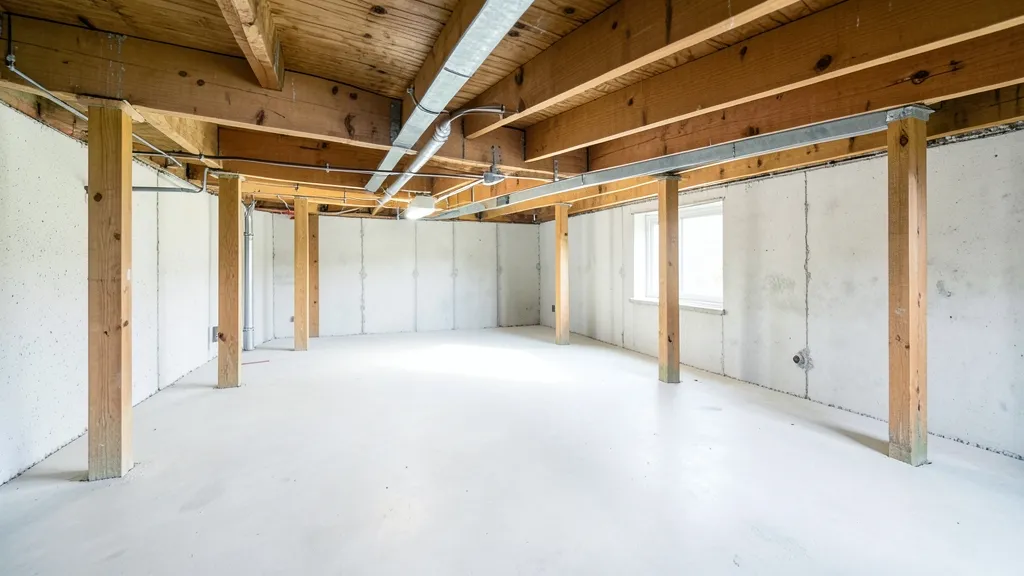
As landlords in Rehoboth, we know mold isn’t just an eyesore—it’s a liability. Tenant health, property value, and legal risks all hinge on how quickly and thoroughly we address it. Here’s what you need to know about costs, responsibilities, and long-term prevention for rental properties.
Why Mold in Rental Properties Is a Unique Challenge
Rental units often sit vacant between tenants, allowing humidity to rise unchecked. In Rehoboth’s humid summers and damp falls, this creates ideal conditions for mold growth on drywall, insulation, and subflooring.
Tenants may also hesitate to report early signs, fearing rent increases or eviction. By the time mold is visible, it’s often spread behind walls or under flooring—requiring more invasive remediation.
Unlike owner-occupied homes, landlords must balance tenant rights, local housing codes, and insurance policies. Missteps can lead to costly disputes or legal action.
Landlord vs. Tenant: Who’s Responsible for Mold in Rehoboth?
Massachusetts law doesn’t explicitly assign mold responsibility, but landlords are generally obligated to provide habitable housing. If mold stems from structural issues—leaky roofs, poor ventilation, or plumbing failures—it’s our responsibility to fix.
Tenants may be liable if their actions (e.g., blocking vents, ignoring leaks) directly cause mold. However, proving this can be tricky without documentation like move-in/move-out inspections or moisture logs.
Always outline mold reporting procedures in the lease. Require tenants to notify you within 24 hours of spotting water damage or musty odors. This protects both parties and ensures faster response.
Failing to address mold can lead to tenant lawsuits, rent withholding, or even condemnation of the property. Document all inspections and remediation efforts.
Factors That Drive Mold Remediation Costs for Rentals
The scope of infestation is the biggest cost driver. Surface mold on a bathroom wall is far cheaper to remediate than black mold in a crawl space requiring structural drying and encapsulation.
Accessibility matters. Attic or basement mold often demands specialized equipment like negative air machines and full PPE for our team, increasing labor time and costs.
Material replacement adds up. Porous items like drywall, insulation, or carpeting usually can’t be salvaged. Non-porous surfaces (tile, glass) may only need cleaning with antimicrobial solutions.
| Factor | Impact on Cost | Notes |
|---|---|---|
| Size of infestation | High | Larger areas require more containment, labor, and materials |
| Location | High | Crawl spaces, attics, and basements are harder to access |
| Type of mold | Moderate | Toxic black mold (Stachybotrys) requires stricter protocols |
| Material affected | High | Porous materials (drywall, carpet) often need removal |
| Moisture source | Moderate | Ongoing leaks or humidity issues must be fixed to prevent recurrence |
| Tenant displacement | High | If units must be vacated during work, factor in relocation costs |
The Mold Remediation Process: What Landlords Should Expect
First, we conduct a thorough mold inspection and air quality testing to identify the species, extent, and moisture sources. This step is critical for rental properties to avoid missing hidden growth.
Containment is next. We seal off the affected area with plastic sheeting and use negative air pressure to prevent spores from spreading to clean zones. HEPA air scrubbers run continuously during remediation.
We then remove contaminated materials (drywall, insulation, etc.) and clean salvageable surfaces with antimicrobial treatments. All debris is double-bagged and disposed of according to Massachusetts regulations.
Finally, we address the root cause—whether it’s a leaky pipe, poor ventilation, or high humidity—and verify the space is dry and mold-free with post-remediation testing.
Preventing Mold in Rehoboth Rentals: Proactive Steps for Landlords
Control humidity with dehumidifiers in basements and crawl spaces, especially during Rehoboth’s wet seasons. Aim for indoor humidity below 50%.
Ensure proper ventilation in bathrooms, kitchens, and laundry areas. Exhaust fans should vent outside, not into attics or walls.
Inspect properties between tenants and document conditions. Pay special attention to areas prone to water intrusion: around windows, under sinks, and near HVAC units.
Educate tenants on mold prevention. Provide guidelines for reporting leaks, using exhaust fans, and avoiding clutter that blocks airflow.
Landlord Mold Prevention Checklist
- Install dehumidifiers in basements and crawl spaces
- Inspect roof, gutters, and downspouts for leaks annually
- Seal gaps around windows and doors to prevent moisture entry
- Use mold-resistant drywall in high-risk areas (bathrooms, basements)
- Schedule annual HVAC maintenance to prevent condensation buildup
- Provide tenants with a mold reporting hotline or email
When to Call in the Pros: Red Flags for Landlords
If mold covers an area larger than 10 square feet, DIY cleanup isn’t recommended. Disturbing large infestations can release spores into the air, worsening the problem.
Visible mold in HVAC systems or ductwork requires professional remediation. Spores can spread throughout the entire property, affecting multiple units in multi-family buildings.
If tenants report health symptoms—respiratory issues, allergies, or skin irritation—it’s a sign of a serious mold problem. Don’t wait for visual confirmation; schedule an inspection immediately.
Recurring mold after cleanup indicates an unresolved moisture issue. Our team uses thermal imaging and moisture meters to locate hidden leaks or condensation problems.
In apartment buildings or duplexes, mold in one unit can quickly spread to others through shared walls or HVAC systems. Address issues property-wide to avoid cross-contamination.
Mold Remediation vs. Water Damage Restoration: What’s the Difference?
Water damage restoration focuses on drying and repairing structures after a flood, leak, or storm. It’s the first step—but if mold has already grown, remediation is necessary.
Mold remediation targets the removal of existing mold colonies and spores. It often overlaps with water damage work, but requires additional steps like containment, HEPA filtration, and antimicrobial treatments.
In Rehoboth, many rental properties need both. For example, a burst pipe in a Taunton or Seekonk rental might require water extraction, structural drying, *and* mold remediation if the issue wasn’t caught quickly.
How to Document Mold Issues for Insurance or Legal Protection
Proper documentation is your best defense against disputes or claims.
- 1Photograph everything
Take date-stamped photos of mold, water damage, and affected areas from multiple angles. Include close-ups and wide shots to show context.
- 2Keep a moisture log
Record humidity levels, water intrusion incidents, and any tenant reports. Note dates, locations, and actions taken.
- 3Save all communications
Keep copies of emails, texts, or letters with tenants, contractors, or insurance adjusters. Document who was notified and when.
- 4Retain receipts and reports
Save invoices for inspections, remediation, and repairs. Store lab reports from air quality testing or mold samples.
- 5Conduct post-remediation testing
Hire a third-party inspector to verify the mold is gone. This provides independent proof the issue was resolved.
Frequently Asked Questions
How long does mold remediation take for a rental property in Rehoboth?
Timelines vary based on the infestation size and complexity. Small, contained mold issues may take 1–3 days, while large or hidden mold in basements or attics can require 1–2 weeks. Drying time after water damage also extends the process. We’ll provide a detailed estimate after inspection.
Can I deduct mold remediation costs from a tenant’s security deposit?
Only if the lease explicitly allows it *and* the mold was caused by tenant negligence (e.g., failing to report a leak). In most cases, landlords are responsible for structural issues. Consult a local attorney to avoid legal pitfalls.
Does homeowners insurance cover mold remediation for rentals?
It depends on your policy and the cause. Most standard policies cover mold if it results from a ‘covered peril’ like a burst pipe. However, they often exclude mold from long-term humidity or neglect. Review your policy or ask your agent about endorsements for mold coverage.
What’s the most common type of mold in Rehoboth rental properties?
In our area, Cladosporium and Aspergillus are frequent due to high humidity. Black mold (Stachybotrys) is less common but often grabs headlines. It thrives in chronically damp areas like basements or under sinks. Air quality testing can identify the exact species and spore counts.
Do I need to relocate tenants during mold remediation?
For small, contained mold issues, tenants can usually stay if the affected area is sealed off. However, large infestations or toxic mold (like Stachybotrys) may require temporary relocation. We’ll assess the risk and provide guidance based on EPA and Massachusetts guidelines.
How can I prevent mold in my Swansea or Dighton rental during winter?
Cold weather doesn’t stop mold—condensation from temperature fluctuations can create moisture. Ensure proper insulation, use exhaust fans, and keep indoor humidity below 50%. Check for ice dams on roofs, which can lead to leaks and mold growth in attics.