The Long-Term Effects of Untreated Mold in Rehoboth Properties
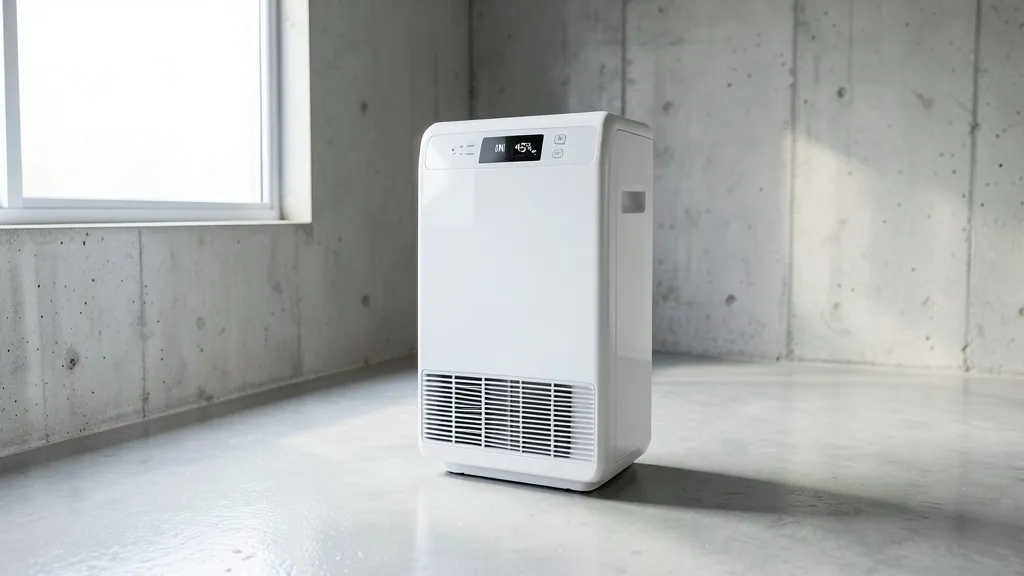
Untreated mold doesn’t just stain walls—it silently erodes your property’s integrity and your family’s health. In Rehoboth’s humid climate, mold thrives unseen in basements, attics, and crawl spaces, worsening with each wet season. We’ve seen firsthand how delays turn small patches into costly, hazardous infestations.
How Mold Spreads in Rehoboth’s Climate
Our region’s high humidity, frequent rain, and seasonal temperature swings create ideal conditions for mold growth. Even minor water intrusion from a leaky roof or poor drainage can spark an outbreak within 24–48 hours.
Mold spores travel through air currents, HVAC systems, and even on clothing. In Rehoboth, older homes with poor ventilation or unsealed crawl spaces are especially vulnerable, as are properties near flood-prone areas like the Palmer River.
Structural Damage: The Hidden Cost of Inaction
Mold doesn’t just sit on surfaces—it feeds on organic materials like wood, drywall, and insulation. Over time, this weakens load-bearing beams, floor joists, and wall studs, compromising your home’s structural stability.
In basements and crawl spaces, chronic moisture leads to wood rot and rusted metal components. Left unchecked, this can require extensive repairs, including full subfloor replacements or even foundation work.
Mold-damaged wood loses up to 50% of its strength. If you notice sagging floors or warped walls, act immediately—this is a sign of advanced decay.
Health Risks: From Allergies to Chronic Illness
Exposure to mold spores and mycotoxins can trigger allergic reactions, asthma attacks, and respiratory infections. Symptoms often include coughing, sneezing, itchy eyes, and skin irritation—mistaken for seasonal allergies.
Prolonged exposure, especially to toxic black mold (Stachybotrys), may lead to neurological issues, immune system suppression, or chronic sinusitis. Children, the elderly, and those with pre-existing conditions are most at risk.
Mold vs. Mildew: Why the Difference Matters
Many homeowners confuse mold with mildew, but the two behave very differently. Mildew is surface-level, powdery, and easier to clean. Mold penetrates materials, spreads rapidly, and often requires professional remediation.
Mildew thrives in damp, warm areas like bathrooms, while mold can grow anywhere with moisture—including behind walls, under flooring, or in ductwork. In Rehoboth, both are common, but mold poses far greater long-term risks.
| Feature | Mold | Mildew |
|---|---|---|
| Appearance | Black, green, or dark spots; fuzzy or slimy | White, gray, or yellow; powdery |
| Growth Depth | Penetrates surfaces (wood, drywall, etc.) | Stays on surface |
| Health Impact | Severe (respiratory, neurological) | Mild (allergies, irritation) |
| Removal Difficulty | Often requires professional remediation | Can be cleaned with bleach or vinegar |
| Common Locations | Hidden areas (inside walls, crawl spaces, attics) | Visible areas (shower tiles, window sills) |
HVAC Contamination: A Silent Multiplier
Your heating and cooling system can become a superhighway for mold spores. Once mold takes hold in ductwork or coils, it circulates throughout your home every time the system runs.
In Rehoboth, many older homes have poorly maintained HVAC systems, exacerbating the problem. Regular inspections and duct cleaning are critical, especially after water damage or if you notice musty odors when the system is on.
Use high-quality air filters (MERV 8–13) and replace them every 1–3 months. Consider a UV light system to inhibit mold growth in ducts.
The Financial Fallout of Delayed Remediation
The longer mold goes untreated, the more expensive remediation becomes. Early-stage mold in a small area may require contained removal and air purification. Advanced infestations often demand full gutting of affected spaces, structural repairs, and long-term moisture control solutions.
Homeowners insurance may not cover mold damage if it’s deemed preventable. In Rehoboth, where flooding and humidity are common, proactive moisture control—like crawl space encapsulation or basement waterproofing—can save thousands in the long run.
Signs You Need Professional Mold Remediation
Visible mold is the most obvious sign, but it’s often the tip of the iceberg. Musty odors, water stains, peeling paint, or warped flooring can all indicate hidden mold. Unexplained health symptoms that improve when you’re away from home are another red flag.
In attics, look for dark stains on rafters or insulation—often a sign of roof leaks. In basements and crawl spaces, check for efflorescence (white mineral deposits) on walls, which indicates moisture intrusion.
When to Call a Professional
- Mold covers 10+ square feet
- Mold returns after DIY cleaning
- You suspect HVAC or duct contamination
- There’s evidence of water damage or flooding
- Household members experience unexplained health issues
Why DIY Mold Removal Often Fails
Bleach and scrubbing may remove surface mold, but they don’t address the root cause: moisture. Without fixing leaks, improving ventilation, or reducing humidity, mold will return—often worse than before.
Disturbing mold without proper containment can release spores into the air, spreading the problem. Professional remediation uses HEPA filtration, negative air pressure, and specialized cleaning agents to ensure thorough, safe removal.
How to Prevent Mold Recurrence After Remediation
Stopping mold from returning requires addressing moisture at its source.
- 1Fix Water Intrusion Points
Inspect roofs, gutters, downspouts, and foundation for leaks. In Rehoboth, ensure grading slopes away from your home to prevent water pooling near the foundation.
- 2Improve Ventilation
Install exhaust fans in bathrooms and kitchens. Use dehumidifiers in basements, crawl spaces, and attics to maintain humidity below 50%.
- 3Seal and Insulate
Encapsulate crawl spaces and insulate pipes to prevent condensation. In attics, ensure proper ventilation to reduce moisture buildup.
- 4Monitor and Maintain
Check for new water stains, musty odors, or condensation regularly. Schedule annual mold inspections, especially if your property has a history of moisture issues.
- 5Use Mold-Resistant Materials
When renovating, opt for mold-resistant drywall, paint, and insulation in high-risk areas like basements, bathrooms, and laundry rooms.
Frequently Asked Questions
How quickly can mold grow in a Rehoboth home after water damage?
Mold can begin growing within 24–48 hours of water exposure, especially in our humid climate. Immediate water damage restoration is critical to prevent spores from taking hold and spreading.
Can mold in my Rehoboth basement affect the rest of my house?
Absolutely. Mold spores travel through air currents and HVAC systems. A basement infestation can quickly spread to upper floors, contaminating living spaces and ductwork if not contained and remediated properly.
Is black mold more dangerous than other types?
Black mold (Stachybotrys) produces mycotoxins that can cause severe health effects, but all mold should be treated seriously. The color doesn’t always indicate toxicity—only professional mold testing can confirm the species and risk level.
Will my homeowners insurance cover mold remediation in Rehoboth?
Coverage varies by policy. Most standard policies exclude mold damage unless it’s a direct result of a covered peril (e.g., a burst pipe). Flood-related mold typically requires separate flood insurance. Always review your policy and document the cause.
How do I know if mold is in my walls or HVAC system?
Hidden mold often reveals itself through musty odors, unexplained health symptoms, or visible water damage. For walls, a moisture meter can detect elevated levels. For HVAC systems, professional air quality testing can identify spore counts and contamination.
What’s the difference between mold remediation and mold removal?
Mold removal refers to physically eliminating mold from surfaces, while remediation addresses the root cause (moisture) and prevents recurrence. True remediation includes containment, air filtration, and moisture control to ensure mold doesn’t return.